

In the bustling and multicultural city of Melbourne, a variety of religious practices coexist, each offering unique approaches to rites of passage, especially funerals. A religious funeral is not just a ritual but a sacred occasion that honours the deceased, offering a final tribute while supporting the emotional and spiritual needs of the grieving family.
Funerals in Melbourne, given the city’s diverse population, encompass various religious practices, including Christian, Jewish, Hindu, Buddhist, and Islamic ceremonies. Each of these traditions holds its own significance, rituals, and customs, providing solace to families as they navigate the painful journey of loss.
Melbourne, known for its diversity, is a place where many cultures and religions converge, and this is reflected in the way funerals are carried out. The city’s rich tapestry of beliefs allows for a profound respect for each faith’s customs and traditions.
A religious funeral in Melbourne often reflects the deep connection between the deceased’s beliefs, their family’s wishes, and the community’s role in providing support and comfort. These services, whether intimate or elaborate, offer a space for remembrance, mourning, and finding peace after the passing of a loved one.
Religious Funerals Melbourne is not just about the rites themselves but also about honouring the memory and spiritual life of the person who has passed. Families who choose to honour their loved ones through a religious ceremony often find a deep sense of comfort and closure in adhering to familiar traditions that resonate with their faith. As diverse as Melbourne’s population is, it offers countless options for families to select the right funeral practices that align with their religious customs.
Understanding the depth and significance of religious funerals in Melbourne is crucial for anyone navigating the process, as it can provide insight into how to best honour a loved one according to their beliefs. Whether it’s a Christian mass, a Buddhist prayer ceremony, or an Islamic Janazah, knowing what to expect from these services can help guide families during their time of mourning.
The Significance of Religious Funerals in Melbourne
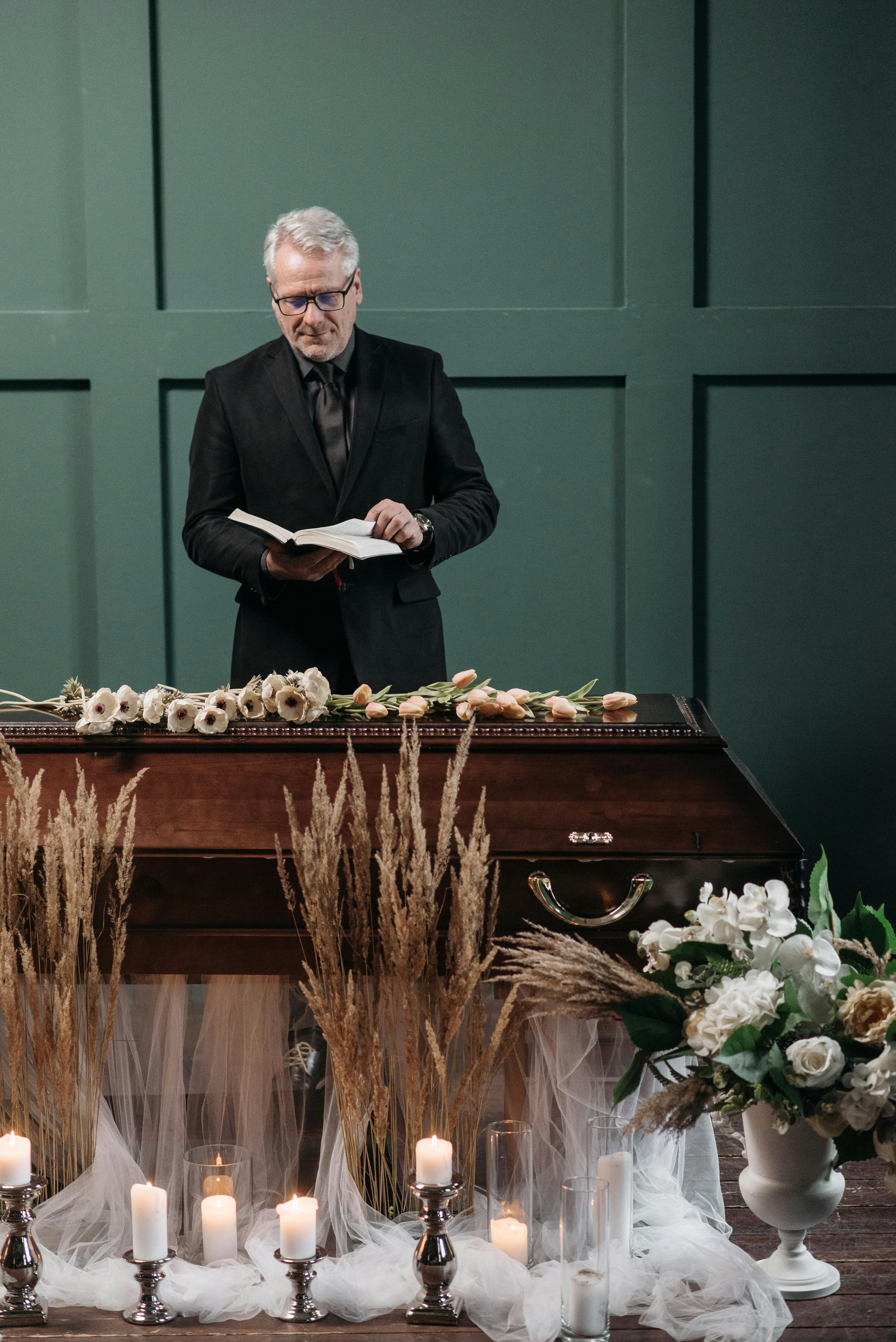
A religious funeral holds profound meaning within various communities across Melbourne. For those who follow a particular faith, these ceremonies act as a form of closure, allowing individuals to pay respects according to their religious teachings and rituals. Whether performed within a church, mosque, temple, or other places of worship, the primary objective is to honour the deceased while offering prayers for their soul’s journey to the afterlife.
In Melbourne, people from different religious backgrounds often come together in support of the family. The presence of community members during a religious funeral reflects the broader idea of shared human experiences and offers an opportunity for collective grief. During these services, traditional prayers, hymns, and rituals are observed, ensuring the wishes of the family and the customs of the religion are adhered to.
The diversity in Melbourne’s religious funerals ensures that different practices such as Christian wakes, Hindu cremation rites, or Jewish burials are respected and conducted with the utmost reverence. This cultural diversity enriches the funeral process, making it a unique and profound experience for those involved. Funerals are seen as a way to not only bid farewell to the departed but also to ensure their spiritual journey is supported by the collective prayers and thoughts of those who loved them.
Common Religious Funeral Practices in Melbourne
Christian Funerals: A Blend of Tradition and Comfort
Christian funerals in Melbourne are often marked by familiar rituals such as the reading of scripture, hymns, and prayers for the deceased. These services typically take place in churches or chapels, where family and friends gather to celebrate the life of the person who has passed.
The atmosphere is reflective, with a focus on eternal life and the promise of resurrection. A Christian funeral in Melbourne often includes the presence of a clergy member who leads the service, offering prayers and guidance for the family.
In addition to the church service, some Christian funerals may include a wake or a gathering at the family’s home where people share memories of the deceased. The Christian approach to funerals is deeply rooted in the belief that death is not the end but rather the beginning of eternal life. This comfort is central to the grieving process, offering peace and hope during a difficult time.
Jewish Funerals: Honouring the Soul with Sacred Rituals
Jewish funerals in Melbourne are steeped in tradition, with an emphasis on simplicity, respect, and solemnity. The mourning process often begins with the recitation of prayers such as the Kaddish, which is said by the mourners to honour the soul of the deceased. The funeral service typically takes place at a synagogue or funeral home, followed by burial, an essential aspect of Jewish faith.
The ritual of sitting Shiva, a seven-day mourning period, is also an integral part of the Jewish funeral process. During Shiva, family and friends gather to offer condolences and share in the grief of the loss. This period provides a space for reflection and healing, allowing the mourners to remember the deceased while supported by their community.
Islamic Funerals: A Final Act of Submission
In the Islamic tradition, funerals are carried out with the utmost reverence for the deceased. Islamic funerals in Melbourne typically begin with the Janazah prayer, a communal prayer asking for mercy and forgiveness for the deceased. The deceased is then bathed and shrouded in a simple white cloth before being taken to a mosque or cemetery for burial. Islam emphasises the idea of returning the body to the earth, symbolising the cycle of life and death as a part of God’s divine will.
A distinctive feature of Islamic funerals is the rapid burial, usually within 24 hours of death, reflecting the belief that the body should be laid to rest as quickly as possible. Family and friends gather for the funeral prayer and to offer condolences, ensuring that the deceased is supported in their journey to the afterlife.
Hindu Funerals: The Journey of the Soul
Hindu funerals in Melbourne are deeply rooted in the belief that life is a continuous cycle of birth, death, and rebirth. The process typically involves the cremation of the deceased, which is seen as a way to release the soul from the body and facilitate its journey into the afterlife. Family members often gather at a Hindu temple or home for prayers and rituals before the body is taken to the cremation site.
The funeral itself is a highly spiritual event, with specific rituals such as the recitation of mantras, offerings of food, and the lighting of incense. The focus is on ensuring that the soul is honoured and guided toward a positive rebirth. The family typically undergoes a mourning period, during which they may engage in further religious practices to aid the soul’s journey.
How to Choose the Right Religious Funeral in Melbourne
When selecting a religious funeral service in Melbourne, families must first consider the deceased’s faith and the specific customs they would have wanted to follow. Whether it’s a traditional Christian mass, a Hindu cremation, or an Islamic burial, each religious tradition offers a set of rituals that are sacred and essential for honouring the deceased.
It’s important to consult with a funeral director who specialises in religious funerals in Melbourne. They can guide families through the process, ensuring that the ceremony reflects the religious practices and values of the deceased while respecting the family’s wishes. Funeral directors can also assist in selecting the right venue, whether it’s a place of worship or a funeral home that accommodates specific religious customs.
For those who may not be familiar with the rituals of a particular faith, it’s advisable to seek guidance from religious leaders or community members. They can offer insight and support, helping to ensure that the funeral service is conducted with respect and care.
Frequently Asked Questions
What is the typical timeline for a religious funeral in Melbourne?
The timeline for a religious funeral in Melbourne can vary depending on the deceased’s religious customs. Generally, Christian funerals may be held within a few days of death, while Islamic funerals often occur within 24 hours. Hindu funerals may also take place quickly, with the cremation process occurring shortly after death. It’s essential to consult with a funeral director to ensure that all customs are respected and followed.
How can I ensure that the funeral reflects the deceased’s religious beliefs?
To ensure that the funeral reflects the deceased’s religious beliefs, it is important to consult with a funeral director who specialises in religious ceremonies. Additionally, contacting religious leaders or clergy members for guidance can help ensure that the right rituals and traditions are followed.
Can non-religious families have a religious funeral in Melbourne?
Non-religious families may still choose to incorporate religious elements into the funeral service if the deceased had strong religious ties. This can be done by consulting with the appropriate religious leaders to create a ceremony that respects the deceased’s beliefs while allowing for personal preferences.
Conclusion
Religious funerals in Melbourne are a deeply significant way to honour the lives of those who have passed. They offer a chance for families to pay tribute to their loved ones through time-honoured rituals, ensuring that their spiritual beliefs are respected. Whether it’s a Christian mass, an Islamic burial, a Jewish funeral, or a Hindu cremation, these ceremonies reflect the diverse cultural landscape of Melbourne, each providing a unique form of closure and comfort.
In a city as varied as Melbourne, religious funerals continue to play a vital role in helping families navigate grief and find peace through the support of their faith and community.